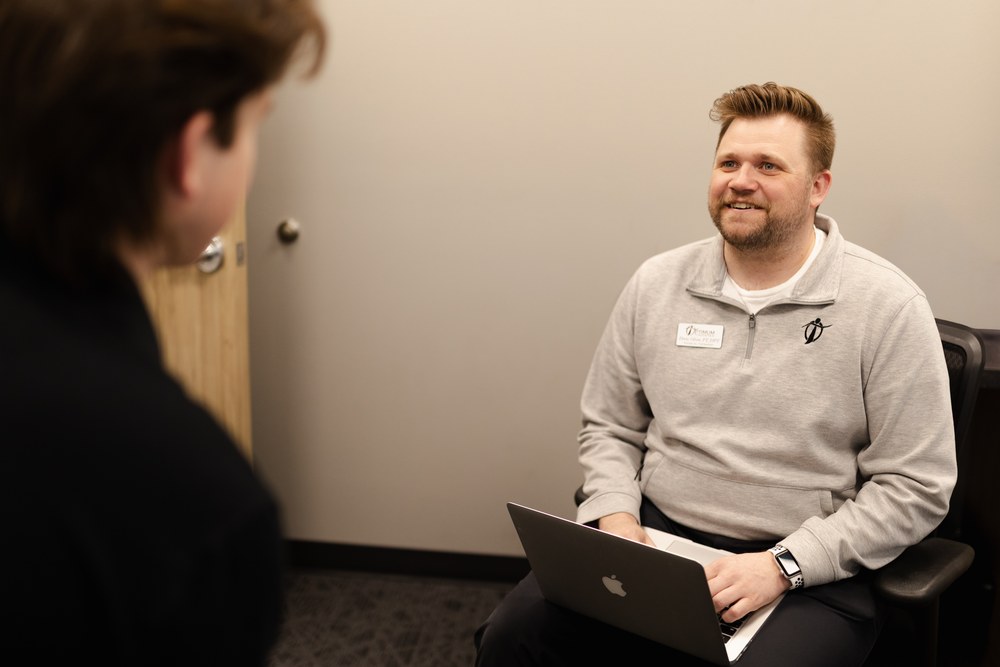
Specialized physical therapy designed to help individuals undergoing or recovering from cancer treatment improve strength, mobility, function, and quality of life.
Cancer Treatment Can Affect More Than Your Diagnosis
Cancer treatments can impact strength, endurance, balance, mobility, and overall physical function. Surgery, chemotherapy, radiation therapy, immunotherapy, and other treatments may lead to fatigue, weakness, pain, swelling, stiffness, neuropathy, or difficulty performing everyday activities.
Oncology rehabilitation is a specialized area of physical therapy designed to help manage these treatment-related side effects through individualized exercise, hands-on care, movement training, and patient education.
Whether you have been recently diagnosed, are currently undergoing treatment, recovering after treatment, or experiencing long-term effects months or years later, our goal is to help you improve function, regain confidence, and move through life with greater comfort and independence.
When Can Oncology Rehabilitation Help?
During Treatment
Maintain strength, mobility, and endurance while safely managing the physical effects of cancer treatment.
After Treatment
Regain strength, improve mobility, reduce pain and stiffness, and safely return to work, exercise, hobbies, and everyday activities.
Long-Term Survivorship
Address lasting side effects such as fatigue, neuropathy, balance problems, swelling, and reduced mobility, even months or years after treatment has ended.
How Physical Therapy Can Help
Improve Strength & Endurance
Rebuild strength and improve activity tolerance through individualized exercise designed around your needs and energy level.
Improve Balance & Mobility
Address weakness, balance concerns, walking difficulties, and movement limitations to improve safety and confidence.
Manage Cancer-Related Fatigue
Learn safe exercise strategies and energy conservation techniques that may help reduce fatigue and improve daily function.
Reduce Pain & Improve Mobility
Improve flexibility, reduce stiffness, and restore movement following surgery, radiation therapy, or prolonged inactivity.
Return to Everyday Activities
Whether your goal is returning to work, caring for your family, gardening, exercising, or simply moving more comfortably, we’ll help you build a plan to get there.
Support Recovery Throughout Your Cancer Journey
Your physical therapy plan is personalized to your diagnosis, symptoms, goals, stage of recovery, and overall oncology treatment plan. Care may be adjusted throughout treatment and recovery to support your changing needs.
Conditions We Commonly Treat
Cancer-Related Fatigue
Breast Cancer Rehabilitation
Head & Neck Cancer Rehabilitation
Recovery Following All Types of Cancer Surgery
Chemotherapy-Induced Peripheral Neuropathy
Post-Radiation Tissue Changes
Weakness & Deconditioning
Balance & Fall Prevention
Pain & Stiffness
Limited Range of Motion
Scar Tissue & Soft Tissue Restrictions
Lymphedema Evaluation & Management
Specialized Expertise
Our oncology rehabilitation program is designed to support individuals before, during, and after cancer treatment through personalized physical therapy focused on improving strength, mobility, function, and quality of life.
Select Optimum Therapies locations offer advanced oncology rehabilitation services, including care from the only Board-Certified Clinical Specialist in Oncologic Physical Therapy in ND and a Certified Lymphedema Therapist (CLT). Our team works collaboratively to ensure patients receive the care and expertise that best meet their individual needs.
Lymphedema Evaluation and Management
Specialized treatment for cancer-related lymphedema from a certified lymphedema therapist
Cancer treatments such as surgery and radiation can affect the lymphatic system, increasing the risk of developing lymphedema. Early evaluation and treatment may help reduce swelling, improve comfort, restore mobility, and support long-term management.
Our oncology rehabilitation program includes specialized lymphedema evaluation and treatment for individuals experiencing or at risk of developing lymphedema.
Treatment may include:
- Complete Decongestive Therapy (CDT)
- Manual Lymphatic Drainage (MLD)
- Compression garment education
- Patient specific exercises
- Skin care education
- Swelling management strategies
- Long-term self-management education
Whether you’re at risk for developing lymphedema, recently started experiencing swelling, or have been living with lymphedema for years, our goal is to help you reduce symptoms, improve function, verify you are wearing the correct garment, educate on additional compression options, and confidently manage your condition.
What to Expect
Your rehabilitation program will be tailored to your diagnosis, treatment history, symptoms, and personal goals.
Comprehensive Evaluation
Your physical therapist will complete a thorough evaluation, reviewing your medical history, cancer treatments, current symptoms, strength, balance, mobility, endurance, and any functional limitations affecting your daily life.
Personalized Treatment Plan
Based on your evaluation, your therapist will develop an individualized rehabilitation program designed to help you safely improve strength, endurance, mobility, balance, and overall function while supporting your recovery goals.
Progressive Rehabilitation
As your condition and recovery progress, your treatment plan will evolve to safely address your changing needs while helping you regain confidence and independence.
Ongoing Education & Support
Throughout your care, you’ll receive education, home exercise recommendations, symptom management strategies, and guidance to help you continue making progress both in and outside the clinic.
Frequently Asked Questions
Can I receive physical therapy while undergoing cancer treatment?
In many cases, yes. Physical therapy can often be safely incorporated during cancer treatment. Your therapist will tailor your program to your diagnosis, treatment plan, symptoms, and energy level while communicating with your healthcare team throughout your care.
Is oncology rehabilitation only for people who recently completed cancer treatment?
No. Oncology rehabilitation may benefit individuals before, during, or long after cancer treatments. Many people seek physical therapy months or even years later to address lasting side effects and improve their quality of life.
What is lymphedema?
Lymphedema is swelling caused by changes to the lymphatic system, which may occur following lymph node removal, surgery, radiation therapy, or other cancer treatments. Specialized physical therapy can help manage swelling, improve comfort, and support long-term self-management.
What is Manual Lymphatic Drainage (MLD)?
Manual Lymphatic Drainage (MLD) is a gentle, specialized hands-on treatment technique used to re-route fluid from a swollen region to other areas to encourage the movement of lymphatic fluid and help manage lymphedema. It is often one component of a comprehensive lymphedema treatment program.
Do I need a referral?
Many patients in Wisconsin and North Dakota can begin physical therapy without a referral through Direct Access, although insurance requirements may vary. Our team will verify your insurance benefits before your first appointment and review them with you at your first appointment.
Will my physical therapist communicate with my oncology team?
Yes. When appropriate, we’ll collaborate with your oncology care team and other healthcare providers to help ensure your rehabilitation complements your overall treatment plan and your providers are aware of your physical therapy plan of care.

Content reviewed by Denise Wetzel, PT, DPT and Savannah Olson, PT, DPT, CLT at Optimum Therapies.