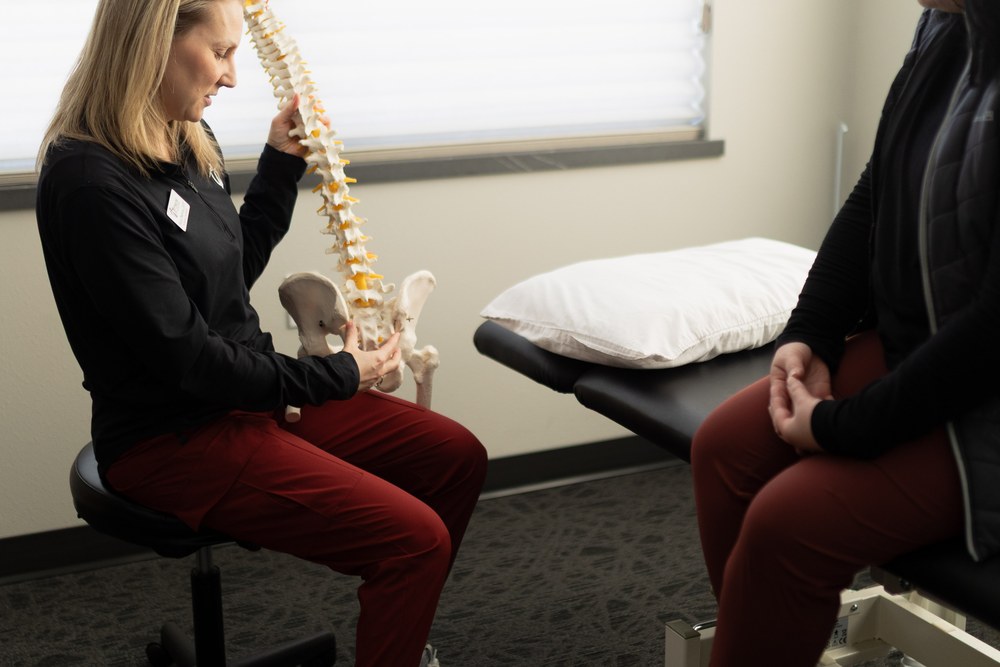
Specialized physical therapy to help you better understand your pain, improve movement, restore function, and regain confidence in your daily life.
Did you know?
Hurting doesn’t always mean harming.
For some people, pain continues long after tissues have healed. Changes within the nervous system can make the body more sensitive to pain, even when healing has occurred. Pain does not always mean ongoing damage; it can indicate hypersensitivity in the nervous system.
Physical therapy can help address these changes through education, movement, exercise, and individualized treatment.
What is Chronic Pain?
Pain is generally considered chronic when it lasts longer than three months or continues beyond the expected healing time.
Chronic pain can develop after an injury or surgery, or it may occur without a clear cause. It can affect nearly every aspect of daily life, including sleep, work, exercise, hobbies, and emotional well-being.
At Optimum Therapies, we understand that chronic pain is complex. Our goal isn’t simply to reduce pain, but to help you improve function, increase confidence in movement, gain insight into why you may be feeling pain, and help you return to the activities that are important to you.
Common Conditions We Treat
- Chronic Low Back Pain
- Chronic Neck Pain
- Persistent Joint Pain
- Arthritis
- Fibromyalgia
- Chronic Muscle Pain
- Persistent Shoulder Pain
- Chronic Hip & Knee Pain
- Pain Following Surgery
- Persistent Sports Injuries
How Physical Therapy Can Help
Pain Education
Understanding how chronic pain works can help reduce fear, improve confidence, and support long-term recovery.
Graded Exercise
A gradual, individualized exercise program helps improve strength, endurance, and tolerance for daily activities.
Manual Therapy
Hands-on techniques may help reduce pain, improve mobility, and restore movement when appropriate.
Dry Needling
When appropriate, dry needling may help reduce muscle tension and improve movement as part of a comprehensive treatment plan.
Movement Retraining
Improve the way your body moves during everyday activities to reduce unnecessary strain and improve function.
Home Exercise Program
Personalized exercises and self-management strategies help you continue making progress outside the clinic.
Our Approach
Chronic pain is influenced by many factors, including movement, strength, sleep, stress, previous injuries, and how the nervous system processes pain.
Your physical therapist will perform a comprehensive evaluation to better understand your symptoms, identify factors contributing to your pain, and develop an individualized treatment plan focused on helping you move more comfortably and confidently.
What to Expect
Comprehensive Evaluation
We’ll discuss your pain history, medical history, daily activities, goals, and complete a movement assessment to better understand your condition.
Personalized Treatment Plan
Together, we’ll create a treatment plan designed around your goals, symptoms, and current abilities.
Progressive Treatment
Your rehabilitation program will gradually progress as your strength, mobility, and confidence improve.
Long-Term Self-Management
You’ll learn strategies to help manage flare-ups, stay active, and continue making progress after formal therapy ends.
Why choose Optimum Therapies?
Living with chronic pain can be frustrating, especially if you’ve tried other treatments without lasting relief.
Our physical therapists take the time to understand your experience, identify contributing factors, and create a personalized plan that focuses on improving movement, restoring function, and helping you get back to the activities that matter most.
Whether your goal is walking farther, working more comfortably, sleeping better, exercising again, or simply moving with less fear, we’re here to help you every step of the way.
Frequently Asked Questions
Can physical therapy help chronic pain?
Yes. Physical therapy is a common conservative treatment for many chronic pain conditions. Treatment focuses on improving movement, strength, function, and confidence while helping you better manage persistent pain.
Will exercise make my pain worse?
Not necessarily. Your therapist will design a program that starts at a level appropriate for you and gradually progresses based on your symptoms and goals. The goal is to help you move safely while building tolerance over time.
What if I've had pain for years?
It’s never too late to benefit from physical therapy. Many people living with long-standing pain improve their function, strength, and ability to participate in daily activities through individualized rehabilitation.
Is chronic pain the same as an injury?
Not always. While chronic pain may begin after an injury, pain can sometimes continue after tissues have healed. Your physical therapist will help determine factors contributing to your symptoms and develop an appropriate treatment plan.
Do I need imaging before starting physical therapy?
Not always. Many chronic pain conditions can be evaluated without imaging. If additional medical evaluation is needed, we’ll help coordinate your care.
Do I need a referral?
Many patients in Wisconsin and North Dakota can begin physical therapy without a referral through Direct Access, although insurance requirements may vary. Our team will verify your benefits before your first appointment whenever possible.

Content reviewed by Jenna Shambeau, PTA at Optimum Therapies.