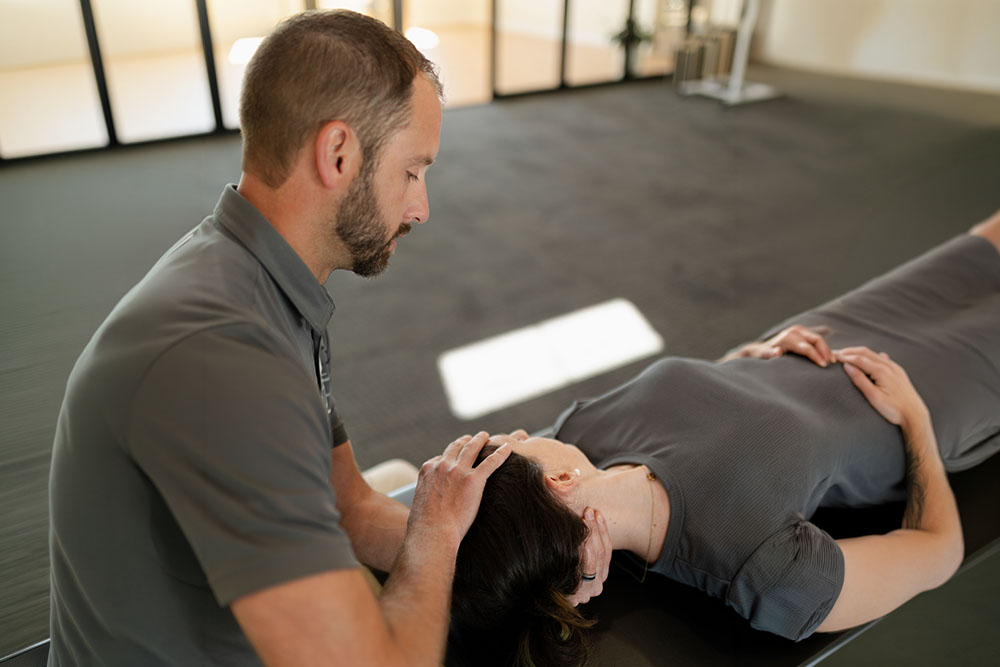
Specialized physical therapy to help children, teens, and adults safely recover from a concussion and return to school, work, sports, and everyday life.
Did you know?
Not every concussion causes a loss of consciousness.
Many people experience symptoms such as headaches, dizziness, balance problems, sensitivity to light or noise, difficulty concentrating, or blurred vision without ever passing out.
Early evaluation and appropriate treatment can help support a safe recovery.
What is a concussion?
A concussion is a mild traumatic brain injury caused by a blow, bump, or jolt to the head or body that affects how the brain functions.
Symptoms can appear immediately or develop over the following hours or days. Every concussion is different, and recovery looks different for everyone.
Physical therapy can play an important role in concussion recovery by addressing symptoms such as dizziness, balance problems, neck pain, headaches, and difficulty returning to normal activities.
Common Signs & Symptoms
Headaches
Persistent or recurring headaches following a concussion.
Dizziness
Feeling lightheaded, unsteady, or as though the room is spinning.
Balance Problems
Difficulty walking, standing, or maintaining balance.
Light & Noise Sensitivity
Increased sensitivity to bright lights or loud environments.
Vision Changes
Blurred vision, difficulty focusing, or eye strain.
Difficulty Concentrating
Trouble focusing, remembering information, or thinking clearly.
Fatigue
Feeling unusually tired or having low energy.
Neck Pain
Neck pain often occurs alongside concussion symptoms and may contribute to headaches or dizziness.
How Physical Therapy Can Help
Your rehabilitation program is tailored to your symptoms and recovery goals.
Vestibular Rehabilitation
Improve dizziness, balance, and motion sensitivity.
Balance Training
Restore stability and reduce fall risk.
Cervical Spine Treatment
Address neck pain and movement restrictions that may contribute to headaches or dizziness.
Vision & Oculomotor Exercises
Improve eye movement, visual tracking, and coordination when appropriate.
Return-to-Activity Progression
Gradually return to school, work, exercise, and sports under the guidance of your therapist.
Education & Symptom Management
Learn strategies to safely manage symptoms while supporting your recovery.
When should you seek care?
If you’ve experienced a blow to the head or body and continue to experience symptoms, it’s important to be evaluated.
Physical therapy may be appropriate if you’re experiencing:
- Persistent headaches
- Dizziness
- Balance problems
- Neck pain
- Difficulty concentrating
- Symptoms that worsen with activity
- Difficulty returning to sports, school, or work
If you experience severe headaches, repeated vomiting, seizures, increasing confusion, loss of consciousness, weakness, slurred speech, or other emergency warning signs after a head injury, seek immediate emergency medical care.
What to Expect
Recovery begins with understanding your symptoms and creating a personalized treatment plan.
Concussion Recovery Timeline
Every concussion is different, and recovery happens at a pace that’s appropriate for your symptoms and goals.
Evaluation
Comprehensive assessment of your symptoms, balance, vision, neck, and overall function.
Personalized Rehabilitation
Your therapist develops an individualized treatment plan based on your symptoms and recovery goals.
Progressive Recovery
As your symptoms improve, your rehabilitation progresses to safely challenge your balance, movement, vision, and activity tolerance.
Return to School or Work
We’ll help guide a gradual return to learning, work, and daily responsibilities while monitoring your symptoms.
Return to Sport & Activity (when appropriate)
For athletes and active individuals, we’ll help progress your return to exercise and sport based on current concussion management guidelines and your healthcare provider’s recommendations.
Why choose Optimum Therapies?
Concussion recovery is about more than waiting for symptoms to improve.
Our physical therapists perform comprehensive evaluations and develop individualized treatment plans designed to address the physical effects of concussion while helping you safely return to the activities that matter most.
Frequently Asked Questions
How do I know if I have a concussion?
A concussion can cause symptoms such as headaches, dizziness, balance problems, nausea, sensitivity to light or noise, blurred vision, or difficulty concentrating after a blow to the head or body. If you think you may have a concussion, you should be evaluated by a healthcare provider.
Do I need a referral for concussion physical therapy?
Many patients in Wisconsin and North Dakota can begin physical therapy without a referral through Direct Access, although insurance requirements may vary. Our team will verify your benefits before your first appointment.
Can physical therapy help after a concussion?
Yes. Physical therapy may help address symptoms such as dizziness, balance problems, neck pain, headaches, and difficulty returning to normal activities.
How long does concussion recovery take?
Recovery varies from person to person. Some individuals recover within a few weeks, while others may experience symptoms for a longer period. Your physical therapist will develop a treatment plan based on your symptoms and progress.
When can I return to sports?
Returning to sports should follow a gradual, medically appropriate progression. Your healthcare provider and physical therapist will help determine when it’s safe to return based on your symptoms and recovery.
Can adults benefit from concussion rehabilitation?
Yes. Concussions can affect people of all ages, including athletes, workers, and older adults. Physical therapy can help address persistent symptoms and support recovery regardless of how the injury occurred.

Content reviewed by Drew Strope, PT, DPT at Optimum Therapies.