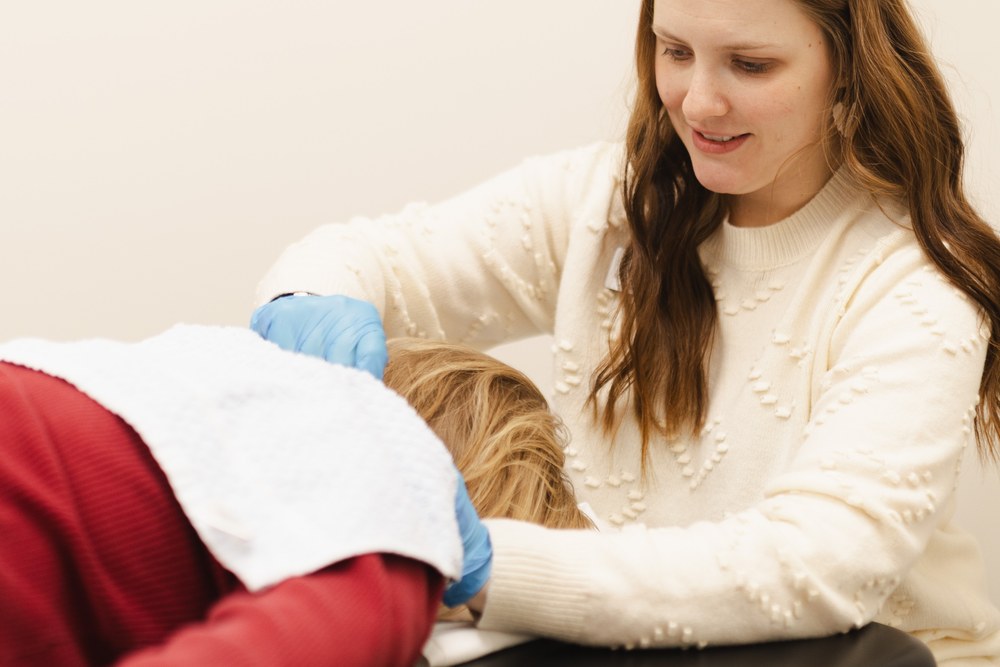
A specialized treatment that may help reduce muscle pain, improve mobility, and support your recovery as part of a personalized physical therapy plan.
Did you know?
Dry needling isn’t the same as acupuncture
While both use thin, sterile needles, dry needling is based on modern anatomy and movement science. Physical therapists use dry needling to target muscles, trigger points, and movement dysfunction that may be contributing to pain or limited mobility.
What is dry needling?
Dry needling is a treatment technique performed by specially trained physical therapists using thin, sterile needles inserted into muscles and trigger points.
Unlike injections, no medication is injected, which is why it’s called “dry” needling.
Dry needling is used alongside other physical therapy treatments, such as manual therapy, therapeutic exercise, and movement retraining, to help reduce pain, improve mobility, and restore function.
What can dry needling help treat?
Sports Injuries
Muscle Tightness
Neck Pain
Back Pain
TMJ Dysfunction
Hip & Knee Pain
Tendon Injuries
Shoulder Pain
Headaches
Trigger Points
How does dry needling work?
Dry needling targets tight muscles and trigger points that may contribute to pain, restricted movement, or muscle dysfunction.
When appropriate, dry needling may help:
- Reduce muscle tension
- Improve blood flow
- Restore normal muscle function
- Improve range of motion
- Decrease pain
- Prepare muscles for exercise and rehabilitation
What does treatment feel like?
Most people feel little to no discomfort as the needle is inserted because the needles are extremely thin.
When a trigger point is reached, you may feel a brief muscle twitch or cramping sensation. This response is normal and often lasts only a few seconds.
It’s common to experience mild soreness for 24 to 48 hours after treatment, similar to how muscles may feel after exercise.
Is dry needling safe?
Dry needling is performed using sterile, single-use needles by physical therapists who have received specialized training.
As with many treatment techniques, mild soreness, bruising, or temporary discomfort may occur after treatment. Your physical therapist will discuss whether dry needling is appropriate for your condition and answer any questions before treatment begins.
Our Approach
Dry needling is one tool, not the entire treatment plan.
At Optimum Therapies, dry needling is integrated into a comprehensive physical therapy program that may also include manual therapy, therapeutic exercise, movement retraining, education, and a personalized home exercise program to address the underlying factors contributing to your symptoms.
What to Expect
Evaluation
Your physical therapist determines whether dry needling is appropriate based on your symptoms and goals.
Treatment
Thin, sterile needles are placed into targeted muscles or trigger points.
Movement
Following treatment, your therapist may guide you through stretching, exercises, or movement activities to maximize the benefits of treatment.
Recovery
You’ll receive recommendations for activity, hydration, and exercises to continue your progress after your visit.
Why choose Optimum Therapies?
Our physical therapists use dry needling as part of an individualized treatment plan designed to help reduce pain, improve movement, and support long-term recovery.
Rather than focusing only on the painful area, we evaluate how your muscles, joints, movement patterns, and overall function work together to develop the most appropriate treatment approach for your needs.
Frequently Asked Questions
Is dry needling painful?
Most patients tolerate dry needling well. You may feel a brief muscle twitch or cramping sensation when a trigger point is treated, followed by temporary soreness similar to what you might experience after exercise.
Is dry needling the same as acupuncture?
No. While both use thin needles, dry needling is based on anatomy and movement science and is used by specially trained physical therapists to address muscle and movement dysfunction.
How many treatments will I need?
The number of treatments varies depending on your condition, symptoms, and goals. Your physical therapist will discuss whether dry needling is appropriate and how it fits into your overall treatment plan.
What conditions can dry needling help?
Dry needling may be beneficial for many musculoskeletal conditions, including muscle tightness, trigger points, neck and back pain, headaches, TMJ dysfunction, sports injuries, tendon conditions, and other movement-related impairments.
Who performs dry needling?
Dry needling at Optimum Therapies is performed by physical therapists who have received specialized training in the technique.

Content reviewed by Drew Strope, PT, DPT at Optimum Therapies.